Parental Alienation Support
This page provides general information, lived-experience insights and signposting - it is not legal advice or therapy.
Parental alienation is a deeply distressing experience that affects many families, often leaving parents feeling confused, isolated, and unheard. My work in this area focuses on support, education, and advocacy for parents affected by parental alienation, as well as raising awareness of its impact on children and families.
What Is Parental Alienation?
Parental alienation occurs when a child becomes unjustifiably estranged from one parent, usually following separation or divorce, due to psychological manipulation by the other parent or caregiver.
This may involve:
-
Repeated negative messaging about the other parent
-
Limiting or blocking contact without valid safeguarding reasons
-
Encouraging a child to reject or fear a parent
-
Distorting a child’s memories or perceptions of past relationships
Over time, this can result in a child expressing hostility, fear, or rejection toward a parent they previously had a positive relationship with.
Parental alienation is not about normal family conflict or children having preferences - it is a pattern of behaviour that can cause long-term emotional and psychological harm to both children and parents.
The Impact on Families
The effects of parental alienation can be profound and long-lasting.
For children, this may include:
-
Emotional confusion and loyalty conflicts
-
Anxiety, depression, or low self-esteem
-
Difficulty forming healthy relationships later in life
For parents, it often results in:
-
Grief, trauma, and chronic stress
-
Feelings of powerlessness and isolation
-
Long-term emotional and mental health challenges
Despite its seriousness, parental alienation is still widely misunderstood, and many parents struggle to find informed, compassionate support.
My Work in This Area
Over the past decade, I have been actively involved with various parental alienation and family support groups, working alongside others to support parents affected by this issue.
My role has included:
-
Providing peer support and guidance to affected parents
-
Helping individuals understand parental alienation dynamics
-
Signposting to appropriate support services and resources
-
Contributing to awareness, education, and advocacy efforts
-
Designing digital assets, websites & social media branding.
This work is grounded in lived understanding, ongoing learning, and a commitment to ensuring parents are heard, supported, and treated with dignity.
A Supportive, Non-Judgemental Approach
Parental alienation cases are complex and emotionally charged. I approach this work with:
-
Empathy and respect
-
A non-judgemental, balanced perspective
-
An understanding of safeguarding, boundaries, and emotional wellbeing
Support is not about assigning blame - it is about helping parents navigate an incredibly difficult situation while protecting their own mental health and maintaining hope.
Getting Support
If you are affected by parental alienation, you are not alone. Support, understanding, and informed guidance can make a meaningful difference - even when circumstances feel overwhelming.
If you would like to learn more about parental alienation or access support through the groups I work with, please get in touch.
Important Notice / Disclaimer
The information provided on this page is for support, awareness, and educational purposes only. It does not constitute legal, medical, or therapeutic advice.
Parental alienation situations are complex and vary greatly between families. If you are involved in an ongoing legal case or have safeguarding concerns, you should seek advice from a qualified legal professional, family court adviser, or appropriate support service.
Any support offered through the groups I work with is intended to provide peer support, guidance, and signposting, not diagnosis, legal representation, or clinical intervention.

FAQs
Is parental alienation recognised in the UK?
Parental alienation is not a specific criminal offence in UK law. However, it is recognised within the family court system as a harmful pattern of behaviour that can affect a child’s welfare.
UK courts consider parental alienation under the Children Act 1989, where the child’s welfare is the court’s paramount consideration.
How do UK family courts view parental alienation?
Family courts may take parental alienation seriously when there is evidence that one parent’s behaviour is undermining the child’s relationship with the other parent without good reason.
Judges may consider:
-
Whether a child’s rejection of a parent is justified
-
Patterns of behaviour such as obstruction of contact or manipulation
-
The emotional and psychological impact on the child
In some cases, courts may order interventions, therapeutic input, or changes to contact arrangements.
Is parental alienation the same as safeguarding concerns?
No. Parental alienation is not the same as genuine safeguarding concerns.
If there is evidence of abuse or risk to a child, limiting contact may be appropriate. Parental alienation refers to situations where there is no substantiated safeguarding reason, yet a child is encouraged to reject a parent.
Courts must carefully distinguish between the two.
Can parental alienation affect child arrangements orders?
Yes. If the court finds that alienating behaviour is occurring, it may influence decisions around:
-
Child Arrangements Orders
-
Enforcement of contact
-
Parental responsibility
-
The need for expert assessments or family therapy
Each case is considered individually based on evidence and the child’s best interests.
Is parental alienation a criminal offence in the UK?
No. Parental alienation itself is not a criminal offence.
However, certain behaviours associated with it - such as breaching court orders, harassment, or coercive control - may have legal consequences depending on the circumstances.
What should I do if I believe I am experiencing parental alienation?
It’s important to:
-
Keep clear, factual records of events and communication
-
Seek appropriate legal advice if court proceedings are involved
-
Access emotional and peer support to protect your wellbeing
Parental alienation situations can be highly distressing, and support can make a meaningful difference.
Do you provide legal advice or representation?
No. Any support provided through this site or the groups I work with is non-legal.
Support focuses on:
-
Education and awareness
-
Peer support and guidance
-
Signposting to appropriate services
For legal advice, you should contact a qualified family law solicitor or relevant professional.

Useful Links
📌 Official UK Law & Guidance
Children Act 1989 (welfare of the child)
📄 UK Government guidance on the law that underpins family court decisions:
https://www.legislation.gov.uk/ukpga/1989/41/contents
👪 Family Court & Child Arrangements
HM Courts & Tribunals Service – Family Law
General information on family court procedures in England & Wales:
https://www.gov.uk/browse/courts-tribunals/family-courts
👥 Family Court Advisory & Support Services
These organisations provide information and support around family court issues (including parental alienation awareness, although not all label it explicitly):
Cafcass (Children and Family Court Advisory and Support Service)
Advice on children’s welfare in family law:
https://www.cafcass.gov.uk/
CAFCASS Cymru (Wales)
⚖️ Legal Aid & Family Law Help
Citizens Advice – Family Law
Clear public guidance on legal issues, child arrangements, court orders:
https://www.citizensadvice.org.uk/family/
📚 Support Organisations (UK / International)
These often have resources on parental alienation dynamics (not legal advice but helpful context):
Parental Alienation UK Support Groups
General hub of support and articles:
https://parentalalienationsupport.org/
Families Need Fathers (UK)
Support for separated parents and child contact issues (peer support & resources):
https://fnf.org.uk/
Gingerbread
Support for single parents with relationship breakdown:
https://www.gingerbread.org.uk/
🧑⚖️ Professional Referral / Legal Advice
If someone needs legal guidance on court orders / alienation issues:
Law Society – Find a Solicitor
Search for qualified family law solicitors in the UK:
https://www.lawsociety.org.uk/find-a-solicitor
🧠 General Awareness & Education
Parenting and child wellbeing resources that can support understanding of family dynamics:
NSPCC – Helping Families
Advice and support on complex family issues:
https://www.nspcc.org.uk/keeping-children-safe/support-for-parents/

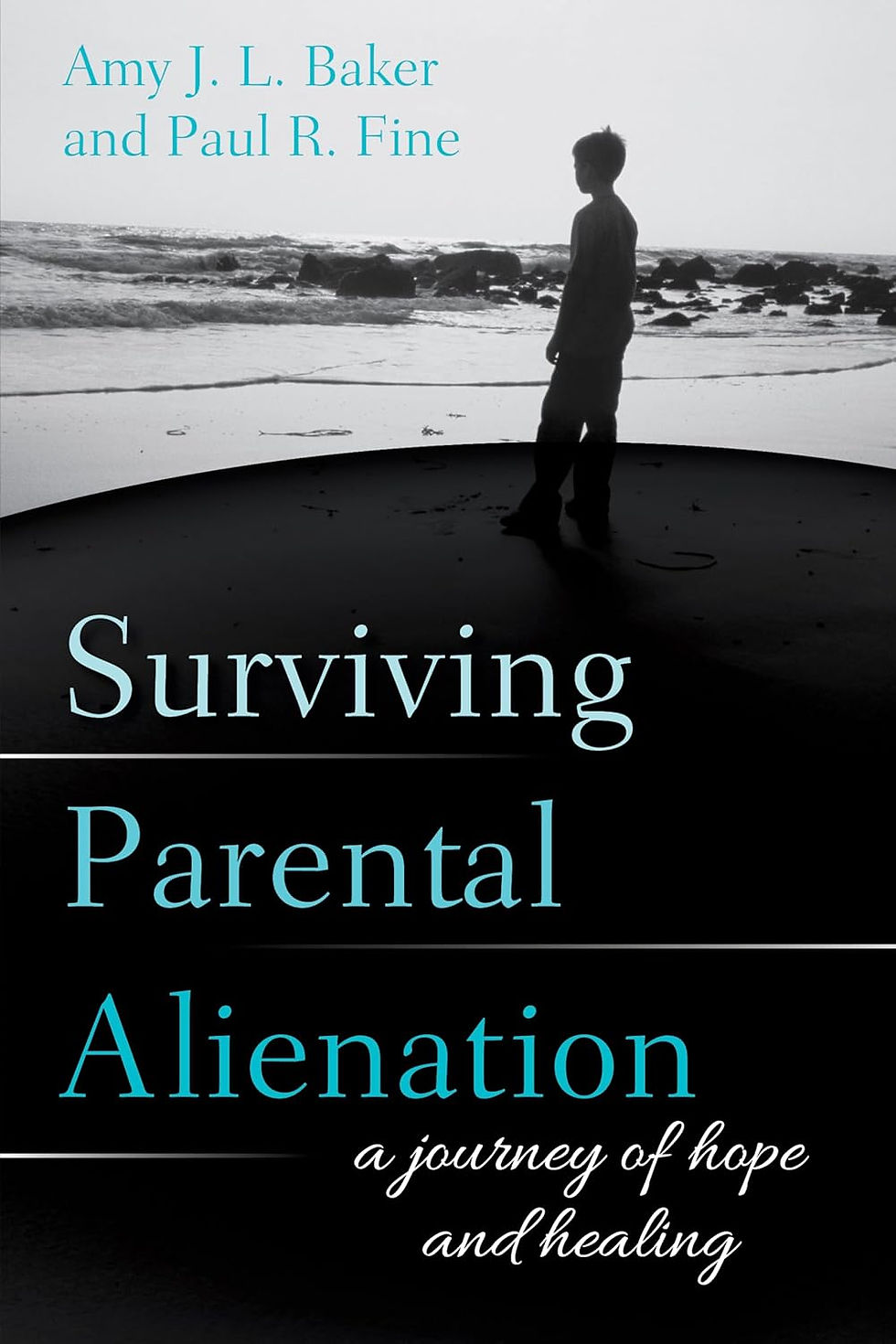
Recommended Reading
Why These Books Are Recommended
The books I recommend have been chosen carefully for their balanced, thoughtful, and compassionate approach to parental alienation and family breakdown. They focus on helping readers understand the dynamics at play, validate the emotional impact on both parents and children, and encourage clarity rather than blame. These are not books that sensationalise conflict, but ones that aim to inform, support, and empower.
Each recommendation has been selected because it offers practical insight, emotional reassurance, or a deeper understanding of how parental alienation can affect families. Some focus on recognising patterns and behaviours, others on coping strategies, resilience, or maintaining emotional wellbeing during incredibly challenging circumstances. Together, they provide a broad and supportive perspective for parents who may feel isolated or unsure where to turn next.